

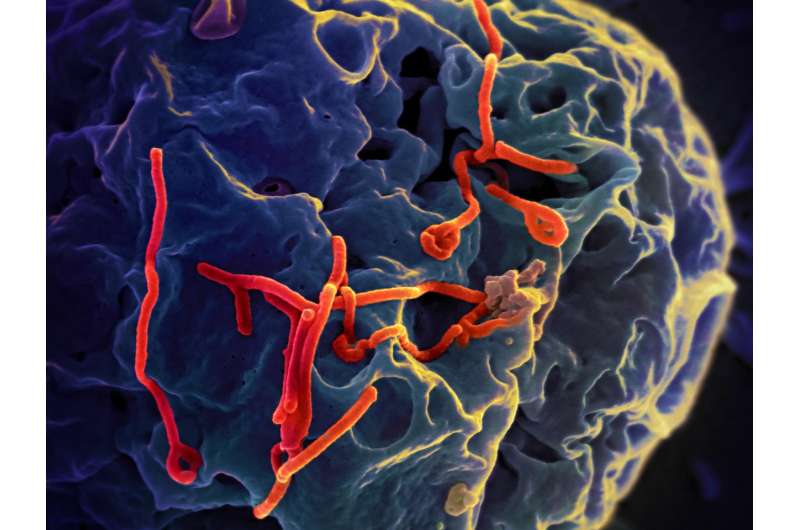
Recent research from the Nanoscience Initiative at the Advanced Science Research Center (CUNY ASRC) heralds a promising advancement in antiviral therapeutics. A team of scientists has unveiled potential pathways toward the development of the world's first broad-spectrum antiviral (BSA) target, capable of combating a wide array of viral diseases, including formidable threats posed by future pandemics.
A Novel Approach to Viral Treatment
Typically, bacterial infections are promptly treated with antibiotics while the exact bacterial agent is identified. In contrast, viral infections lack similarly versatile treatments, as existing antivirals tend to be narrowly targeted towards specific viruses.
“The deficiency of broad-spectrum antiviral options has rendered populations vulnerable during viral outbreaks, prolonging the timeline for the development of dedicated vaccines and therapies,” stated Adam Braunschweig, Principal Investigator and Professor at CUNY ASRC.
Targeting Viral Envelope Glycans
The research team identified a shared structural feature among numerous viruses: viral envelope glycans. These sugar molecules, present on the surface of many viruses across different families, are pivotal yet remained largely unexplored as potential targets for therapeutic intervention.
The team meticulously screened a total of 57 synthetic carbohydrate receptors (SCRs), which are strategically designed to bind to these viral glycans. They discovered four SCR compounds that exhibited the ability to successfully inhibit infection from seven different viruses across five unrelated families. The pathogens include:
- Ebola
- Marburg
- Nipah
- Hendra
- SARS-CoV-1
- SARS-CoV-2
Promising Results in Animal Models
In a pivotal experiment, researchers treated mice infected with SARS-CoV-2 using one of the lead SCR compounds. The results were striking—90% of the treated mice survived, in stark contrast to a 0% survival rate observed in the control group. These findings were further validated through analyses confirming the mechanism of action; the SCR compounds bind specifically to the viral envelope glycans.
Potential Applications Beyond Infectious Diseases
Interestingly, this novel approach hints at broader implications; the compounds may also find applications in treating other serious health conditions, including cancer and various immune disorders.
“This is the kind of antiviral tool the world urgently needs. If a new virus emerges tomorrow, we currently have nothing to deploy. These compounds offer the potential to be that first line of defense.” – Adam Braunschweig, Principal Investigator
Next Steps in Research
Looking ahead, the research team aims to propel the most promising SCR compounds into clinical trials. The focus will be to evaluate their efficacy and safety in human populations, which could represent a significant leap forward in global health security.
Conclusion
The work carried out at the CUNY ASRC exemplifies a crucial turning point in antiviral drug development. Targeting conserved elements such as viral envelope glycans may revolutionize our approach to combating viral diseases, ultimately enhancing preparedness for future outbreaks.
Further Information
For detailed insights into this breakthrough, refer to the publication: Broad-spectrum Synthetic Carbohydrate Receptors (SCRs) Inhibit Viral Entry Across Multiple Virus Families, published in Science Advances (2025).
Table Summary of Virus Treatment Efficacy
| Virus | Treatment Response | Survival Rate in Mice |
|---|---|---|
| SARS-CoV-2 | Treated with SCR | 90% |
| Control Group | Untreated | 0% |
| Ebola | Treated with SCR | Pending Trials |
References
Science X (2025, August 27). Targeting viral envelope glycans offers promising path toward world's first broad-spectrum antiviral.









Discussion