


Research from scientists at the (source) and collaborators has unveiled significant insights into the mechanisms by which the human brain coordinates working memory—the cognitive process essential for immediate tasks such as following instructions and remembering short-term information.
Key Findings
- High-frequency brain waves known as ripples may facilitate communication between distant brain regions during memory tasks.
- Ripple activity enhances synchronized neuronal firing across brain regions, providing approximately 30% higher firing rates when ripples occur simultaneously.
- The research utilized data from 35 epilepsy patients who had electrodes implanted for monitoring brain activity.
Methodology
The study analyzed intracranial recordings while participants engaged in a modified Sternberg memory task that required them to remember sets of images. Researchers focused on the patterns of ripples during three stages: encoding, maintenance, and retrieval.
| Stage | Activity |
|---|---|
| Encoding | Ripple rates increased significantly (up to 20% in specific regions). |
| Maintenance | Co-ripple activity enhanced, linked to memory load. |
| Retrieval | Reinstatement of stimulus-specific firing patterns observed. |
Results
Results indicate that ripple oscillations contribute to long-range neural communication. The researchers discovered that ripples frequently increased during the higher memory load. For instance:
- Ripple oscillation rates soared in the amygdala and hippocampus at crucial task stages.
- Higher coordination during retrieval leads to quick recognition.
Implications
The findings are pertinent for understanding disorders such as Alzheimer’s disease and ADHD, enhancing comprehension of how connectivity variations in the brain relate to memory functionality.
Limitations
The study was restricted in its scope, focusing on patients undergoing epilepsy treatment, which may not apply to the general population.
Conclusion
This research provides compelling evidence that brain ripples mediate the integration of distributed memory representations, enhancing our understanding of human cognition.
Visual Representation
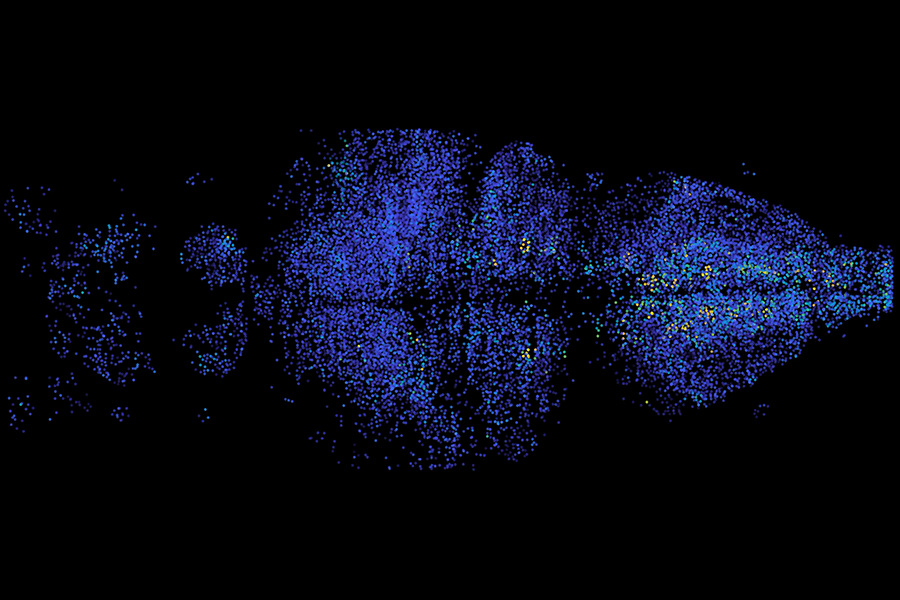
(Placeholder for visual representation)
References
The study has been published in (journal name). For further details, check the publication page.





Discussion