

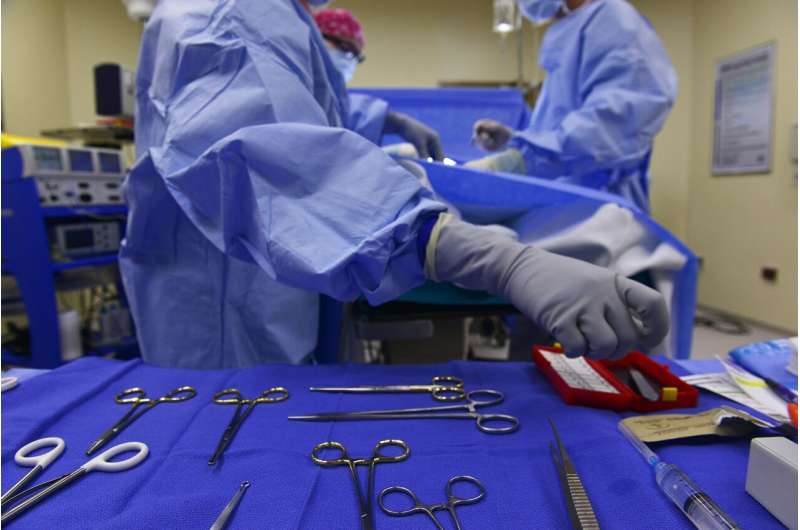
Recent research published in JAMA Network Open has unveiled significant findings regarding the relationship between body mass index (BMI) and short-term mortality rates following major elective surgeries in older adults. Contrary to conventional beliefs that prioritize maintaining a normal BMI for surgical candidates, the study suggests that older individuals classified as overweight may in fact face a lower risk of death in the immediate postoperative period.
Research Overview
Conducted by a team at the David Geffen School of Medicine at UCLA, the study involved the analysis of data from 414 adults aged 65 and older who underwent major elective surgeries between February 2019 and January 2022 at a prominent academic center in Southern California. The primary goal was to determine the outcomes associated with varying BMI categories, particularly focusing on 30-day mortality rates.
Key Findings
The research reported a range of compelling outcomes:
- Patients classified as overweight (BMI 25–29.9) showed a 0.8% mortality rate within 30 days post-surgery.
- In stark contrast, those with a normal BMI had a mortality rate of 18.8%.
- Underweight individuals faced a mortality rate of 15.0%.
These findings persisted even after adjustments were made for factors such as age, frailty, and comorbidities, including the presence of cancer.
The Obesity Paradox
Dr. Cecilia Canales, the lead author of the study, emphasized the implications of these findings, stating, "Traditional surgical guidelines often emphasize having a normal BMI before surgery, but our findings suggest that these recommendations may need to be reconsidered for older adults." The notion of an “obesity paradox” is gaining traction, indicating that a higher BMI may correlate with better survival outcomes in certain older populations. Dr. Catherine Sarkisian, a co-author of the study, further remarked, "It's important to tailor preoperative evaluation to the physiology of older patients."
Implications for Surgical Guidelines
The results of this study challenge existing BMI-based surgical risk calculators, which are generally formulated based on younger or mixed-age cohorts rather than those that exclusively include older adults. As such, the authors advocate for additional research that could potentially reshape surgical practice guidelines.
Statistical Summary
| BMI Category | 30-Day Mortality Rate | Comments |
|---|---|---|
| Overweight (25–29.9) | 0.8% | Lowest mortality risk in study cohort |
| Normal | 18.8% | Significantly higher risk of death |
| Underweight | 15.0% | High risk, warranting further examination |
Future Directions
Considering the short-term advantages linked to being overweight in older surgical patients, ongoing investigations should explore:
- The biological and clinical mechanisms behind the relationship between BMI and postoperative outcomes.
- Developing guidelines that account for the unique physiological characteristics of older adults, thereby refining preoperative assessments.
“This study adds to a growing body of evidence on the so-called 'obesity paradox', where a higher BMI appears to be linked with better survival in certain older adult populations.” – Dr. Catherine Sarkisian
Conclusion
The revelations from this study underscore the necessity to reassess traditional guidelines regarding BMI and surgical eligibility, particularly for older adults. By doing so, medical professionals can potentially enhance patient outcomes and preoperative care, further optimizing the surgical pathway for this demographic.
Further Reading
To delve deeper into the findings, refer to the full study in the journal JAMA Network Open.









Discussion