

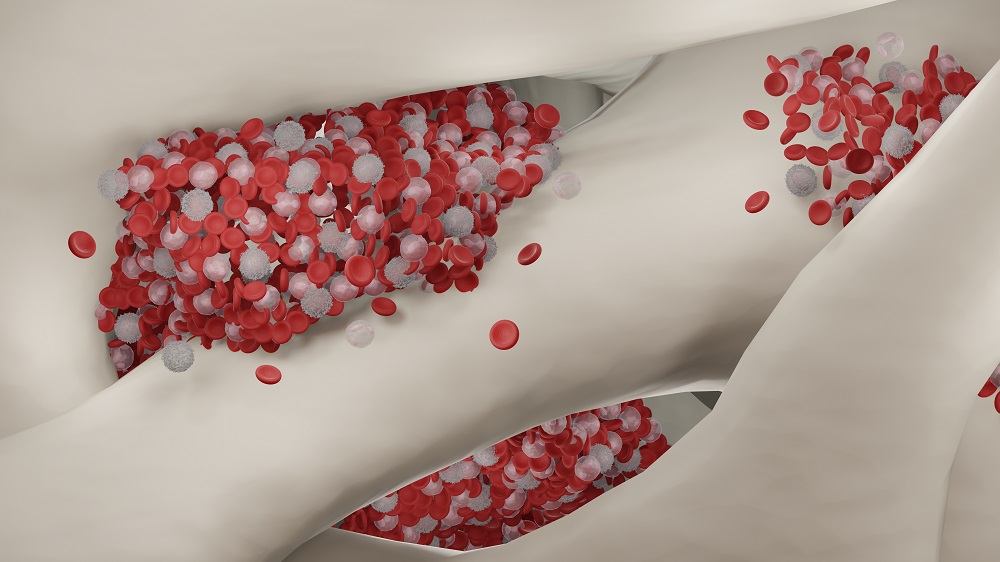
DNA Methylation Patterns Trace Blood Aging Dynamics
Older individuals exhibit notable changes in their blood stem cell lineages, characterized by a reduction in diversity and functionality. This observation is critical for understanding both the mechanisms of aging and the associated health issues that arise with it. This article outlines recent findings on the dynamics of blood aging, particularly how DNA methylation patterns can reveal insights into this process.
The Decline of Stem Cell Lineages with Age
As organisms age, the complexity of their hematopoietic stem cell (HSC) pool diminishes. Here are some key points regarding the impacts of aging on blood production:
- Clonal Lineage Reduction: Young animals possess a wide array of clonal lineages, while older animals show a significant decrease, leading to less effective blood cell production.
- Impaired Cell Maturation: Blood cells generated from older clonal lineages often display a failure to mature properly, affecting overall health.
- Development of Epi-Clone Technology: Recent advancements, such as the Epi-Clone technology, are enhancing our understanding of clonal hematopoiesis, which is crucial in the context of aging (Nature).
Understanding Clonal Hematopoiesis
Within the human body, a limited number of HSCs are responsible for the production of billions of mature blood cells daily. As individuals age, some stem cells acquire mutations or advantageous traits, enabling them to dominate the blood system.
“Our blood stem cells compete for survival,” said Dr. Lars Velten from the Center for Genomic Regulation (CRG) in Barcelona. “In youth, this competition produces a rich, diverse ecosystem, while in old age, some drop out entirely.”
This process, known as clonal hematopoiesis, can have dire implications, contributing to inflammation and various diseases including cancer and cardiovascular issues. Such age-related conditions are often referred to as inflammaging (PMC).
The EPI-Clone Methodology
| Methodology | Description | Advantages |
|---|---|---|
| Traditional Lineage Tracing | Involves introducing artificial mutations. | Time-consuming; not applicable to humans. |
| EPI-Clone | Utilizes endogenous epigenetic markers (DNA methylation). | High-throughput, single-cell resolution; applicable to human cells. |
Current lineage tracing methods are constrained by the need for genetic manipulation and the inability to assess the functional state of cells. In contrast, EPI-Clone utilizes natural epigenetic alterations as markers, allowing for effective lineage tracing without introducing artificial stresses “DNA methylation acts like a binary code,” remarked Dr. Michael Scherer, a co-first author of the study.
Key Findings from EPI-Clone
After validating the EPI-Clone method using irradiated mice, researchers noted significant distinctions in clonal structures between young and old animals:
- Diverse Clonal Structure: Young subjects maintained a robust and varied clonal structure.
- Shift Toward Oligoclonality: Older subjects exhibited a dominance of a few expanded clones, resulting in reduced functional output.
- Undifferentiated Clones: Aged clones often contained undifferentiated cells that were less capable of maturation and function.
When transplanting aged bone marrow into new hosts, dominant clones failed to engraft successfully, highlighting the trade-off between clonal expansion and functional efficacy.
Human Studies and Implications
Applying EPI-Clone to human samples revealed a similar oligoclonal trend with aging. Research indicated that:
- By age 50, changes in clonal diversity become noticeable.
- Clonal dominance becomes almost inevitable by age 60.
- Unique clonal expansions can occur without known driver mutations, suggesting a broader selection process at play.
These findings elucidate a clock-like process of clonal selection influenced by both genetic mutations and non-genetic aging mechanisms.
“If we want to move beyond generic anti-aging treatments and into real precision medicine for aging, this is exactly the kind of tool we need,” emphasized Dr. Velten.
Future Directions in Aging Research
The advancement of technologies like EPI-Clone represents a significant step forward in gerontology, with implications for tailored therapeutic strategies. Moving forward, research will focus on:
- Identifying additional epigenetic markers for better clonal tracking.
- Investigating the impact of lifestyle interventions on stem cell health.
- Developing targeted treatments that address the detrimental effects of clonal hematopoiesis.
Conclusion
The study of DNA methylation patterns offers valuable insights into the dynamics of blood aging, paving the way for novel approaches in age-related healthcare. Understanding the clonal landscape of blood cells could lead to innovative interventions that sustain blood health into advanced age.
Literature
[1] Scherer, M., Singh, I., Braun, M. M., Szu-Tu, C., Sanchez Sanchez, P., Lindenhofer, D., ... & Velten, L. (2025). Clonal tracing with somatic epimutations reveals dynamics of blood ageing. Nature, 1-10.
[2] Winter, S., Götze, K. S., Hecker, J. S., Metzeler, K. H., Guezguez, B., Woods, K., ... & Platzbecker, U. (2024). Clonal hematopoiesis and its impact on the aging osteo-hematopoietic niche. Leukemia, 38(5), 936-946.
[3] Zink, F., Stacey, S. N., Norddahl, G. L., Frigge, M. L., Magnusson, O. T., Jonsdottir, I., ... & Stefansson, K. (2017). Clonal hematopoiesis, with and without candidate driver mutations, is common in the elderly. Blood, The Journal of the American Society of Hematology, 130(6), 742-752.









Discussion