

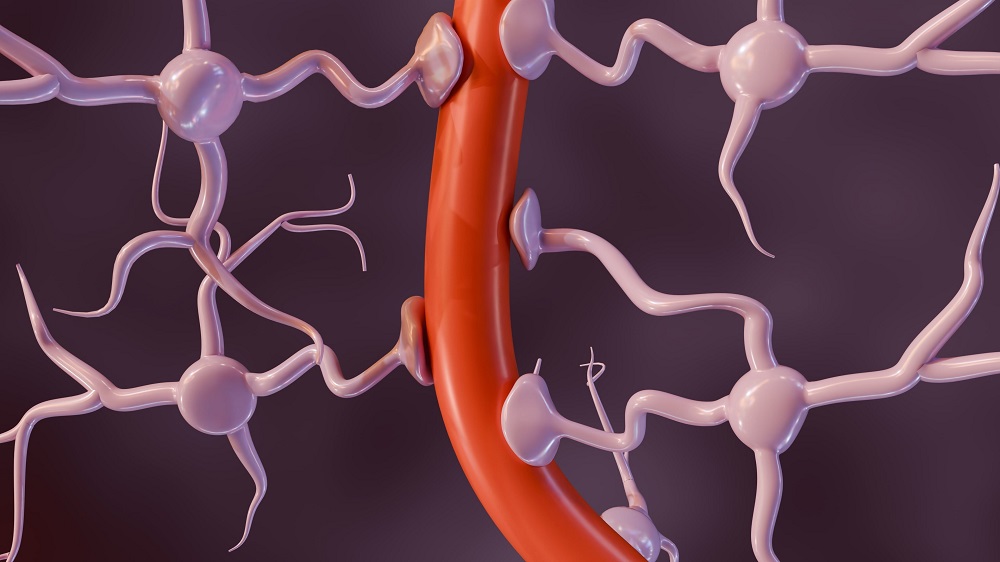
Parkinson’s disease (PD) represents one of the most significant challenges in the field of neurodegenerative disorders, characterized by the progressive degeneration of the nervous system. Recent findings indicate that the integrity of the blood-brain barrier (BBB) plays a critical role in the pathology of PD. Specifically, research has illuminated how BBB leaks exacerbate the severity of the disease through processes linked to neuroinflammation and α-synuclein aggregates.
Understanding the Blood-Brain Barrier
The brain's protective mechanism, the blood-brain barrier, acts as a selective permeability barrier that prevents harmful substances in the bloodstream from accessing the brain. It consists of endothelial cells tightly bound by junction proteins, notably vascular endothelial cadherin (VE-cadherin), which are essential for maintaining this selective barrier. Damage to the BBB is increasingly recognized as a fundamental aspect of various neurodegenerative diseases, including Alzheimer’s and Parkinson's disease.
The Role of α-Synuclein in BBB Integrity
α-Synuclein, a protein implicated in the pathophysiology of Parkinson's disease, has been the focus of numerous studies. While traditional research has primarily examined its neurotoxic properties, recent explorations underscore the importance of its effect on BBB permeability:
- Aggregate Formation: Both the native monomeric form of α-synuclein and its aggregated form, known as preformed fibril α-synuclein (PFF), were shown to penetrate BBB endothelial cells.
- Challenging the Endothelium: The influx of PFF into endothelial cells disrupted VE-cadherin, leading to compromised barrier integrity.
- Inflammatory Response: Following exposure to PFF, there was a notable upregulation of inflammatory markers, particularly TNF-α, suggesting a direct link between aggregate-induced BBB impairment and neuroinflammation.
Impacts of BBB Integrity Loss on Neuroinflammation
Neuroinflammation induced by BBB disruption represents a dual challenge, both promoting neuronal damage and facilitating further BBB leakage. Studies reveal that:
| Finding | Impact |
|---|---|
| Increased TNF-α Levels | Contributes to inflammatory response, worsening PD pathology. |
| Claudin 5 Downregulation | Causes a measurable reduction in BBB integrity. |
| Microglial Activation | Results in localized inflammation and further neurodegeneration. |
Evidence from Murine Models
Research utilizing genetically modified mice (G2-3) expressing α-syn aggregates demonstrates the in vivo consequences of impaired BBB function:
- Prolonged exposure (13 months) to α-syn aggregates correlates with significant reductions in essential BBB proteins like claudin 5.
- Marked increases in immunoglobulin G (IgG) penetration into the brain were documented, highlighting the extent of BBB leakage in affected mouse models.
- Compensatory mechanisms by astrocytes and pericytes were observed, indicating an overwhelming response to maintain BBB stability amid increased inflammatory signaling.
Therapeutic Implications: Targeting TNF-α
The promising results observed in murine models underscore potential therapeutic avenues for PD. Inhibiting TNF-α could be pivotal in restoring BBB integrity:
- Clinical Application: The use of etanercept, a TNF-α inhibitor, showed decreased BBB permeability and improved cognitive functions in treated mice.
- Future Trials: While the benefits observed in animal models are compelling, clinical trials will be necessary to assess the viability of TNF-α inhibition in Parkinson's disease patients.
“The link between BBB integrity, neuroinflammation, and α-synuclein aggregates offers a new framework for understanding and potentially treating Parkinson’s disease.” – Research Team Leader
Conclusion
The current insights into how BBB leaks and neuroinflammation contribute to the pathology of Parkinson's disease shine a light on innovative therapeutic strategies. By targeting inflammation and preserving BBB function, researchers aim to halt or reverse the course of this debilitating condition. For ongoing research updates and potential breakthroughs, consider contributing to Lifespan Research Institute, a non-profit organization dedicated to advancing the understanding of age-related diseases.
References
[1] Jeon, M. T., et al. (2021). Emerging pathogenic role of peripheral blood factors following BBB disruption in neurodegenerative disease. Ageing Research Reviews, 68, 101333.
[2] Baloyannis, S. J., & Baloyannis, I. S. (2012). The vascular factor in Alzheimer’s disease: a study in Golgi technique and electron microscopy. Journal of the Neurological Sciences, 322(1-2), 117-121.
[3] Ryu, J. K., & McLarnon, J. G. (2009). A leaky blood–brain barrier, fibrinogen infiltration and microglial reactivity in inflamed Alzheimer’s disease brain. Journal of Cellular and Molecular Medicine, 13(9a), 2911-2925.
[4] Pediaditakis, I., et al. (2021). Modeling alpha-synuclein pathology in a human brain-chip to assess blood-brain barrier disruption. Nature Communications, 12(1), 5907.
[5] Michel, P. P., et al. (2016). Understanding dopaminergic cell death pathways in Parkinson disease. Neuron, 90(4), 675-691.
[6] Elabi, O., et al. (2021). Human α-synuclein overexpression in a mouse model of Parkinson’s disease leads to vascular pathology, blood-brain barrier leakage and pericyte activation. Scientific Reports, 11(1), 1120.









Discussion