

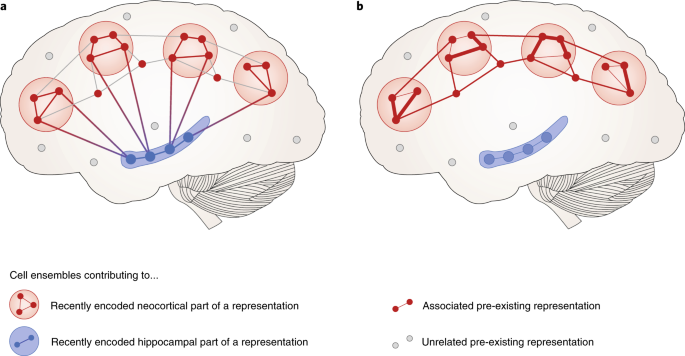
Sleep plays a vital role in various cognitive processes, particularly in the consolidation of memory. A recent study published in Neuron offers new insights into how astrocytes, a specific type of glial cell in the brain, mediate brain circuits involved in memory consolidation during sleep.
Overview of Astrocytes
Astrocytes are star-shaped glial cells that provide structural support to neurons while also being integral to maintaining homeostasis, regulating blood flow, and modulating synaptic transmission. Their emerging role in sleep regulation emphasizes their importance in cognitive functions, particularly memory.
Key Findings from the Recent Study
The recent research highlights several fundamental ways in which astrocytes influence memory consolidation:
- Modulation of Neuronal Activity: Astrocytes regulate synaptic transmission during sleep by influencing levels of neurotransmitters like glutamate and GABA, stabilizing sleep states and enhancing memory consolidation.
- Synaptic Downscaling: During sleep, astrocytes facilitate synaptic downscaling, pruning less critical synaptic connections to allow for the efficient storage of significant memories.
- Release of Gliotransmitters: Astrocytes release gliotransmitters, including ATP and adenosine, which modulate neuronal excitability and are crucial for transitioning into sleep states.
Research Methodology
To explore these concepts, researchers conducted experiments with mice, employing optogenetic tools to manipulate astrocyte activity. They assessed how altering astrocyte activity before and during sleep impacted memory consolidation tasks.
Impact on Memory Consolidation
The findings reveal that sleep deprivation significantly impairs memory consolidation, as evidenced by behavioral tests. Notably, mice with enhanced astrocytic function could effectively consolidate memories despite disrupted sleep, indicating that astrocytes may compensate for deficits caused by lack of sleep.
Additional Research Insights
Astrocytes also contribute to:
- Sleep Homeostasis: They help maintain a balance of excitation and inhibition in neural networks, contributing to the quality of sleep.
- Cognitive Function: Disruptions in astrocytic function have been linked to various cognitive disorders, highlighting their critical role in mental health.
Visual Representation
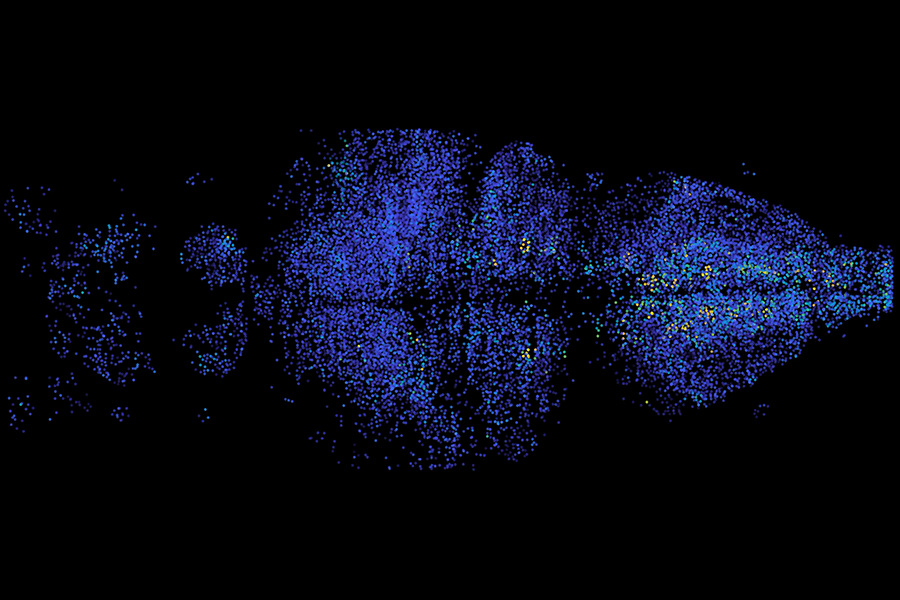
Below is a diagram representing various functions of astrocytes in regulating sleep and memory consolidation:

Further Implications
This study opens potential avenues for therapeutic interventions targeting astrocytes to enhance cognitive functions in individuals suffering from sleep disturbances, including conditions like insomnia and neurodegenerative diseases such as Alzheimer’s disease.
Conclusion
Understanding the role of astrocytes in memory consolidation during sleep enriches our comprehension of foundational neuroscience and presents clinical intervention opportunities. Future research should focus on elucidating the precise molecular mechanisms behind astrocytic actions and their implications for cognitive health.
References
- Astrocytes at the heart of sleep: from genes to network dynamics - Discusses the role of astrocytes in synaptic downscaling and memory consolidation during sleep.
- Astrocytes and the Modulation of Sleep - Examines how astrocytes regulate sleep homeostasis and their influence on memory consolidation.
- Role of astrocytes in sleep deprivation: accomplices, resisters, or bystanders? - Explores astrocytic mechanisms in sleep deprivation and their implications for memory consolidation.
- Astrocytes at the heart of sleep: from genes to network dynamics - An in-depth look at the functions of astrocytes in sleep regulation and memory consolidation.





Discussion