

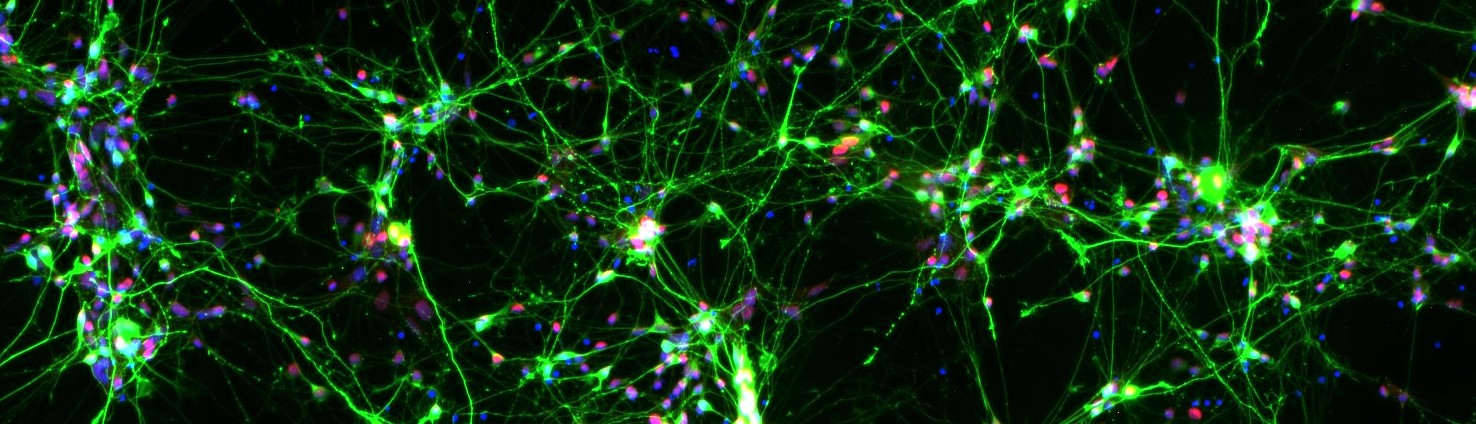
The recent achievement of Aspen Neuroscience in securing FDA clearance for its investigational cell therapy, ANPD001, marks a significant leap in personalized treatment strategies for Parkinson's disease (PD). This therapy proposes to replace lost dopamine-producing neurons with cells crafted from a patient’s own skin, highlighting a novel approach to tackling the underlying neural deficits in Parkinson's.
Overview of Parkinson's Disease
Parkinson's Disease is a neurodegenerative condition characterized by the progressive loss of dopamine neurons in the substantia nigra region of the brain. This degeneration leads to debilitating symptoms, including:
- Tremors: Involuntary shaking, often beginning in the hands.
- Rigidity: Stiffness and muscle tightness affecting movement.
- Impaired movement: Slowness of movement (bradykinesia) and balance issues.
Current therapies predominantly aim at managing symptoms rather than addressing the root causes of the disease, leading to an urgent need for innovative therapeutic strategies.
Aspen's Cell Therapy Approach
Aspen's therapy utilizes a patient's own skin cells to create induced pluripotent stem cells (iPSCs), which are then differentiated into dopamine neuronal precursor cells (DANPCs). This personalized regimen not only avoids the complications associated with immunosuppression but also enhances the likelihood of successful integration within the patient’s neural architecture.
Clinical Trial Phases
The upcoming Phase 1/2a clinical trial will assess the safety and efficacy of ANPD001 in patients with moderate to severe Parkinson's disease. This multicenter trial holds the promise of paving the way for broader applications of cell therapies in treating neurodegenerative disorders.
Findings from Related Research
| Study | Findings | Link |
|---|---|---|
| ExPDite Phase 1 Trial | Demonstrated safety and symptom reduction in participants receiving dopamine-producing neurons derived from embryonic stem cells. | UCI Health Report |
| Stem Cell Therapy Trials in Japan | Showed promising improvements in motor function with the incorporation of transplanted dopamine neurons. | Michael J. Fox Foundation |
Limitations and Considerations
While the prospects for cell replacement therapies are promising, challenges remain, including:
- Long-term integration: Ensuring the sustained presence and functionality of implanted cells.
- Potential tumor formation: Risk associated with cell differentiation processes.
- Host immune response: The body’s reaction to transplanted cells could impede efficacy.
Past attempts with fetal ventral mesencephalic cells encountered significant logistical and ethical barriers that have necessitated a shift towards iPSC technology.
Future Directions
The encouraging results from early-phase trials underline the potential for iPSC-derived therapies to not only mitigate symptoms but also to restore lost neuronal functions. Ongoing and future studies will be crucial to establish the long-term viability and efficacy of these treatment modalities.
Aspen’s continued advancements in personalized regenerative medicine may not just transform Parkinson's treatment but could also carry implications for other neurodegenerative diseases, presenting a hopeful outlook for patients and families affected by these conditions.
Relevant Images
For additional information, the following sources provide insights regarding the FDA clearance and progressive strategies in treating Parkinson's disease:
- Aspen Neuroscience FDA Clearance - Announcement of FDA clearing ANPD001, an autologous cell therapy for Parkinson's Disease.
- Stem-Cell Therapy for Parkinson's Disease - UCI Health - Explores how stem-cell therapy has helped in reducing symptoms of Parkinson's Disease.
- Stem Cell Therapy for Parkinson’s Given Limited Approval in Japan - Discusses the efficacy and findings from a clinical trial of stem cell therapy for Parkinson's.





Discussion