

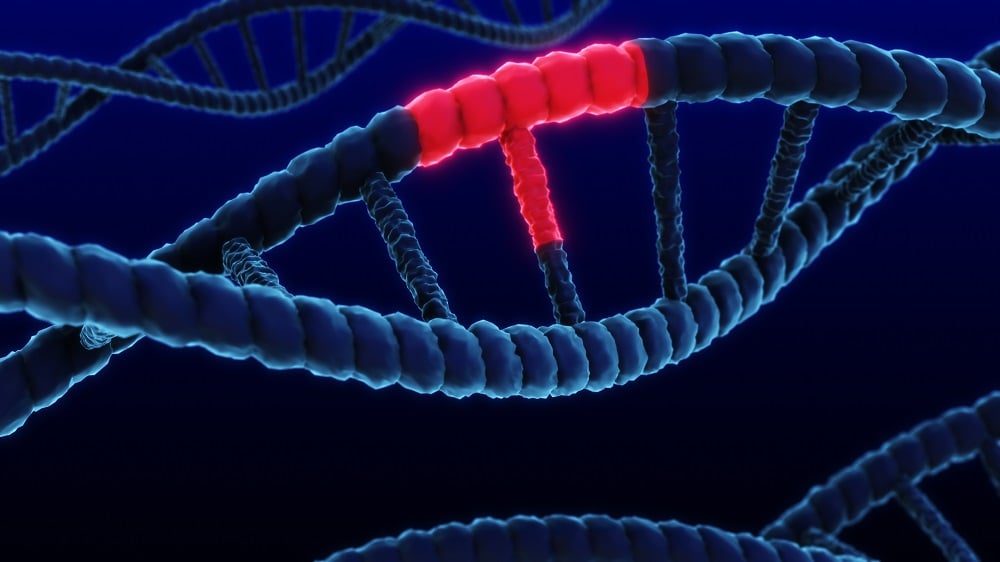
Recent research has unveiled a promising avenue in the fight against Alzheimer’s disease by targeting an inflammatory pathway linked to tau pathology. This development centers around a mutation in the APOE gene, which has exhibited a protective effect against Alzheimer’s in certain individuals. This article elucidates the findings related to this mutation, its potential therapeutic implications, and the broader impact of inflammation on Alzheimer’s progression.
Understanding the APOE Gene and Its Mutations
The APOE gene is a significant player in Alzheimer’s disease pathology, particularly regarding amyloid beta and tau protein accumulations. A specific mutation, known as the R136S or Christchurch mutation, has garnered attention for its protective effects against Alzheimer’s in carriers. Research indicates that people with one or two copies of this mutation exhibit varying degrees of resistance to cognitive decline associated with Alzheimer’s disease.
The Case Study of Aliria Rosa Piedrahita de Villegas
One of the most compelling stories in this realm is that of Aliria Rosa Piedrahita de Villegas, a member of a Colombian family known for a prevalent genetic mutation (PSEN1 E280A) that leads to early-onset Alzheimer’s. Despite possessing this mutation, Aliria maintained cognitive health until her 70s, deviating significantly from her family’s trajectory. Her brain scans revealed a high quantity of amyloid plaques but a surprising scarcity of tau tangles, prompting further investigation into the mitigating factors provided by the Christchurch mutation she also carried.
The rarity of the R136S mutation has spurred interest in its mechanisms, especially considering that it has been associated with reduced tau accumulation and preserved synaptic function in experimental models.
Experimental Insights from Mouse Models
Researchers employed CRISPR/Cas9 technology to create mouse models that express either the regular human APOE3 gene or the protective Christchurch variant. This facilitated a thorough analysis of the mutation’s impact on tau pathology:
| Characteristic | Regular APOE3 | APOE3 R136S (Christchurch) |
|---|---|---|
| Tau Accumulation | High | Markedly Lower |
| Synaptic Loss | Significant | Minimal |
| Myelin Protection | Absent | Present |
The Role of Inflammation in Alzheimer’s Pathology
The researchers identified that a vital mechanism of the R136S mutation is its ability to inhibit the cGAS-STING-interferon signaling pathway, which is implicated in neuroinflammation and Alzheimer’s progression. The ability of the microglia, the brain’s immune cells, to uptake and clear tau was significantly enhanced in the presence of this mutation. This aligns with the growing understanding that reducing inflammation within the brain may be a key strategy in combating neurodegenerative diseases.
Cognitive Function Indicators
The cognitive effects were assessed through alterations in theta and gamma wave patterns, crucial for memory processing. The benefits of the mutation in preserving these neural oscillations signify a potential shift in how cognitive health is evaluated in Alzheimer's research:
| Neural Oscillation | Regular APOE3 Activity | APOE3 R136S Activity |
|---|---|---|
| Theta Waves | Decline | Stable |
| Gamma Waves | Decline | Stable |
Future Directions in Alzheimer's Therapy
Targeting the cGAS-STING pathway presents an innovative therapeutic strategy that could be developed into clinical treatments for Alzheimer's disease. While it is not feasible to implement the R136S mutation into human populations, using medication to inhibit the inflammatory pathway it influences may offer significant benefits. Dr. Li Gan, the senior author of the study, noted that this avenue could extend beyond Alzheimer's to other neurodegenerative conditions exacerbated by similar inflammatory processes.
“Inhibiting the cGAS-STING pathway could make the brain more resistant to the Alzheimer’s process, even in the face of significant tau accumulation.” – Dr. Li Gan
As researchers continue to explore the connections between inflammation, genetic mutations, and neurodegeneration, the landscape of Alzheimer’s treatment is set to evolve. **The potential for developing therapies that can modify disease progression through this pathway is a beacon of hope for millions affected by this devastating condition.**
Conclusion
In summary, the interplay between genetic factors and inflammatory pathways presents a dynamic field of research with the potential to reshape our understanding and treatment of Alzheimer’s disease. Continued exploration of such mutations and their protective effects will be crucial in the pursuit of effective therapeutic strategies.
References
[1] Naguib, S., et al. (2025). The R136S mutation in the APOE3 gene confers resilience against tau pathology via inhibition of the cGAS-STING-IFN pathway. Immunity.
[2] Quiroz, Y. T., et al. (2024). APOE3 Christchurch heterozygosity and autosomal dominant Alzheimer’s disease. New England Journal of Medicine, 390(23), 2156-2164.









Discussion