

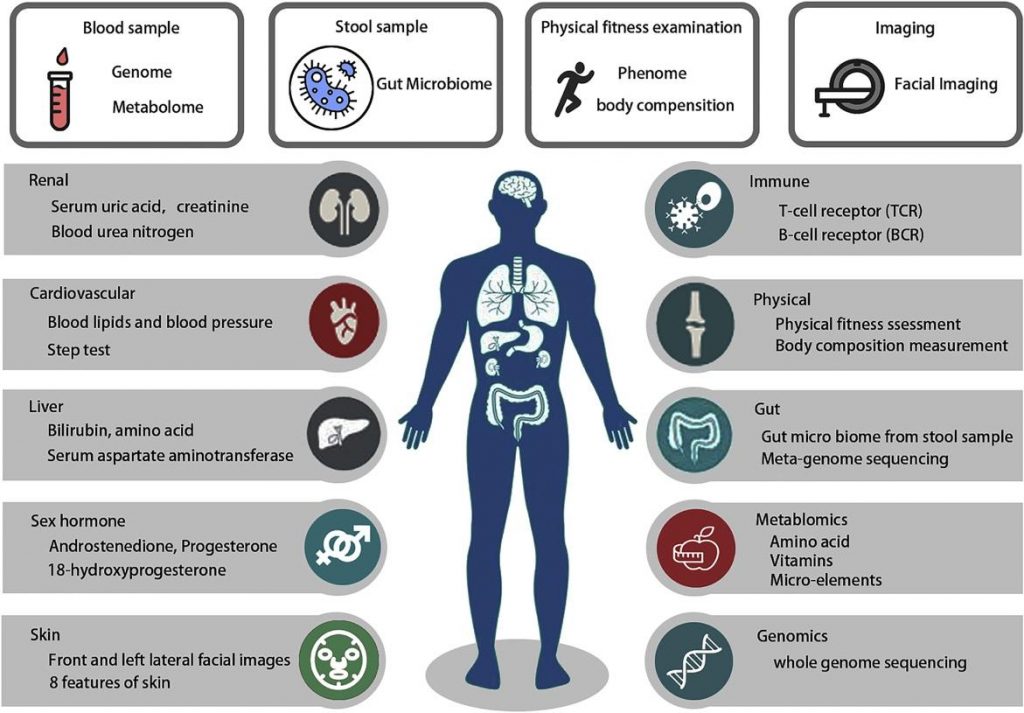
A recent groundbreaking study conducted by researchers at the CeMM Research Center for Molecular Medicine and the Ludwig Boltzmann Institute for Network Medicine has advanced our understanding of how human organs age at different rates. This research, published in Nature Aging, utilizes AI-based tools known as "tissue clocks" to determine the biological age of organs based on blood samples.
Key Findings and Methodology
The study analyzed over 25,000 tissue samples representing 40 different types of tissue. The researchers discovered that:
- Organs such as the heart, brain, and liver exhibit varying biological aging rates throughout an individual's life.
- Using a blood test, researchers can effectively track changes in organ age, predicting potential health issues and guiding preventative strategies.
This innovative approach combines machine learning with traditional histological analysis, allowing for early detection of organ aging that could lead to diseases such as dementia or heart failure.
The Role of AI in Predicting Organ Age
The study used advanced AI algorithms to analyze the proteomic data from blood samples. By measuring levels of proteins that correlate with specific organs, the researchers established a model that could predict the biological age of 11 major organs:
| Organ | Biological Age (Years) | Significance |
|---|---|---|
| Brain | 50 | Increased dementia risk detected |
| Heart | 55 | Higher heart failure risk observed |
| Liver | 52 | Potential for liver disease |
| Kidneys | 53 | Potential impact on renal function |
| Lungs | 56 | Greater risk of respiratory disease |
Clinical Implications
This research is crucial for advancing personalized medicine. By identifying which organs are aging prematurely, healthcare providers can develop tailored intervention strategies. Early diagnosis could lead to improved management of age-related health conditions, ultimately enhancing longevity and quality of life.
Challenges and Future Directions
While the findings are promising, the researchers highlight the need for further studies to validate their models across diverse populations and monitor long-term health outcomes. Moreover, the ethical implications of assessing biological age and its potential impact on mental health warrant careful consideration.
Conclusion
The development of blood tests that accurately assess biological age represents a significant leap forward in our understanding of aging. As researchers continue to uncover the complexities of organ aging, we move closer to effective interventions that could mitigate the effects of aging at the individual level.
References
Additional academic sources:
- Imaging-based organ-specific aging clock predicts human diseases and mortality: Explores how organ aging is assessed through imaging-based clocks.
- Tissue clocks derived from histological signatures of biological aging enable tissue-specific aging predictions from blood: Details on the development of tissue clocks for identifying biological aging.
- AI-Powered Test Reveals Biological Age from Small Blood Sample: Describes an innovative blood test for estimating biological age.






Discussion