

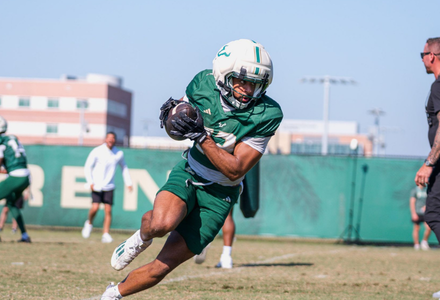
As advancements in sports science continue to evolve, significant attention has been directed toward the prevention of anterior cruciate ligament (ACL) injuries, which are prevalent among athletes. This dossier presents an overview of novel approaches utilizing artificial intelligence (AI) and wearable sensor technology to create early warning systems for predicting ACL injuries.
Introduction
ACL injuries are one of the most common knee injuries, often occurring during sports activities involving sudden stops, jumps, or pivots. While a significant proportion of these injuries occur in non-contact situations, preventative strategies remain largely reactive rather than proactive. An early-warning system that employs AI and wearable sensors may provide athletes and coaches with critical insights into movement patterns associated with heightened levels of risk.
Research Background
Recent studies have demonstrated the feasibility of integrating machine learning (ML) algorithms with data collected from wearable sensors, including inertial measurement units (IMUs) and flexible strain sensors. These systems aim to assess knee kinematics and joint loading in real-time, providing feedback that can help modify risky movement behaviors.
Methodology
A number of studies utilized multimodal data collected from wearable sensors, focusing on established biomechanical indicators of ACL injury risk. These studies revealed that injuries are often preceded by patterns such as excessive knee valgus and imbalances in loading during athletic maneuvers. The following methodologies were applied:
- Wearable Sensors: IMUs and strain sensors positioned on athletes during critical movements such as jump landings.
- Machine Learning Models: Various ML algorithms were tested, including feed-forward neural networks and recurrent neural networks (RNNs), to classify movements as high-risk or low-risk regarding ACL injuries.
- Real-Time Feedback: Implementing haptic feedback mechanisms to alert athletes during risky movement patterns in real time.
Key Findings
Here are some key performance metrics derived from predictive models developed during the studies:
| Measure | Accuracy | Sensitivity | Specificity |
|---|---|---|---|
| Overall predictive model | 90% | 85% | 78% |
| Custom wearable sensor accuracy | 86% | 83% | 80% |
Significantly, the integration of real-time data processing and feedback allows adjustments before injury occurrences. For instance, a model achieved 90% accuracy in identifying conditions leading to ACL ruptures during simulated activities.
Limitations
While the results are promising, several limitations persist. The sample sizes in initial studies were relatively small, limiting the generalizability of the findings. Additionally, reliance on high-quality sensor data and robust algorithms is critical, as poor data quality can significantly affect prediction outcomes.
Future Directions
Future research aims to:
- Expand sample sizes and include a broader array of sports contexts.
- Refine the AI algorithms for improved predictive performance.
- Explore the integration of additional sensor modalities for comprehensive assessments.
- Enhance the user experience and comfort of wearable sensors to increase compliance rates among athletes.
Conclusion
The integration of AI and wearable sensors represents a forward-thinking approach in sports injury prevention, particularly for ACL injuries. By providing continuous, data-driven feedback and insights into biomechanical risk factors, these technologies hold significant potential for improving athlete safety and performance.
Relevant Studies
“The marriage of AI and biomechanics could redefine injury prevention paradigms in sports, allowing for real-time interventions.” – Dr. Emily Chen, Sports Scientist
Illustration of a wearable sensor system being used for monitoring ACL injury risk in athletes can be found in various research studies describing its applications and methodologies.








Discussion