

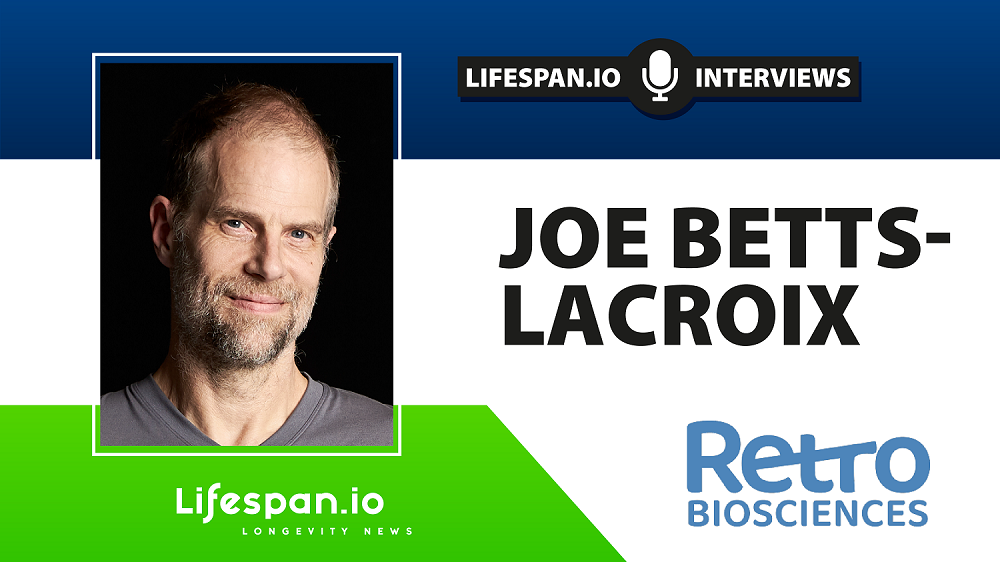
In an insightful interview conducted on October 2, 2025, Joe Betts-Lacroix, founder of Retro Biosciences, shared transformative developments in longevity science, particularly regarding the intersection of artificial intelligence (AI) and biological reprogramming. Retro Biosciences, with substantial backing amounting to $180 million from notable figures such as Sam Altman, the CEO of OpenAI, has become a leading force in the pursuit of extending healthspan and lifespan through innovative methodologies.
AI-Driven Innovations in Aging Research
The core discussion revolves around how advancements in language models and protein sequencing can converge to enhance the efficiency of cellular reprogramming. By leveraging AI architectures inspired by models like GPT, Retro’s scientists have successfully modified existing reprogramming factors while potentially creating new ones. This breakthrough has garnered significant attention within the scientific community, highlighting the pivotal role of AI in biological research.
Betts-Lacroix's Journey
Joe Betts-Lacroix's path to the longevity field is marked by a deep-seated interest in biology's complexities and the potential to combat age-related decline. Reflecting on his earlier experiences, he noted:
“Biology just seemed unimaginably complicated, and it felt like there was nothing to be done.”
However, his perspective shifted after encountering the work of aging biologist Roy Walford, which illustrated that systematic approaches and evidence-based interventions could effectively influence health outcomes.
The Establishment of Health Extension Foundation
Transitioning from retirement to activism in longevity science, Betts-Lacroix founded the Health Extension Foundation. This nonprofit aims to elevate conversations surrounding aging biology, aiming to distinguish credible interventions from unfounded health trends:
- Established educational programs: Engaging discussions in Silicon Valley to address aging-related myths.
- Leveraged industry connections: Collaborated with prominent tech incubators like Y Combinator.
Progress and Trials
Retro Biosciences has positioned itself on the frontier of breakthrough medical innovations with upcoming trials targeted at combating Alzheimer’s disease. With promising developments of an orally bioavailable small molecule aimed at enhancing autophagy, Betts-Lacroix expressed confidence in achieving significant health outcomes:
“We’re going for it,” he noted, emphasizing the adventurous spirit that drives the company’s mission.
Australia: A Prime Location for Trials
The choice of Australia for clinical trials highlights the country's supportive R&D ecosystem and favorable regulatory environment:
- Tax incentives: The Australian government incentivizes companies involved in research and development.
- Efficient regulatory framework: Facilitates smoother early-stage trials for new therapies.
The Role of Cellular Reprogramming
Operating at the intersection of theoretical innovation and practical application, Retro has effectively become synonymous with cellular reprogramming advancements. Betts-Lacroix stated:
“We have a partial reprogramming research program and two clinical programs that utilize full reprogramming.”
This multifaceted approach signifies a commitment not only to treating age-related diseases but also to reversing cellular aging indicators.
AI's Contribution to Enhanced Reprogramming
In an exciting development, the training of a large language model on curated biological datasets has enabled Retro to improve reprogramming efficiency dramatically. Betts-Lacroix discussed:
“Biology is too complicated for humans to figure out alone; AI fills that gap.”
The co-training of AI models with protein sequence data has allowed for groundbreaking insights into protein function and interaction, driving the potential for novel therapeutic discoveries.
Concerns and Future Outlook
Despite these advancements, there are inherent challenges, primarily concerning immunogenicity and safety:
- Novel proteins: The model has produced enhanced factors, which present potential unknown immunogenic risks.
- Regulatory considerations: Emphasizing the importance of stringent testing protocols to ensure therapeutic safety.
Amidst the unpredictability of clinical trials, Betts-Lacroix maintains that there is cautious optimism about delivering healthspan extensions through their innovative medications, positing that the first drug could reach prescribing standard by the late 2020s.
Call for Support
As a nonprofit organization dedicated to advancing research in this field, Retro Biosciences relies on public support. Betts-Lacroix highlighted:
“Every contribution, no matter how small, supports independent journalism and sustains our future in longevity science.”
Conclusion
The intriguing developments spearheaded by Joe Betts-Lacroix and Retro Biosciences serve as a beacon of hope in the quest for longevity and improved health outcomes. By merging innovative technology with rigorous science, they are not just extending life; they're redefining the future of health through biological innovation.
References
- Retro Biosciences - Official Website
- Walford, R. (2008). Beyond the 120-Year Diet. Acknowledging the possibilities of healthy aging.
- Altman, S. (Year). Insights on investing in biotech ventures. OpenAI Insights.









Discussion