

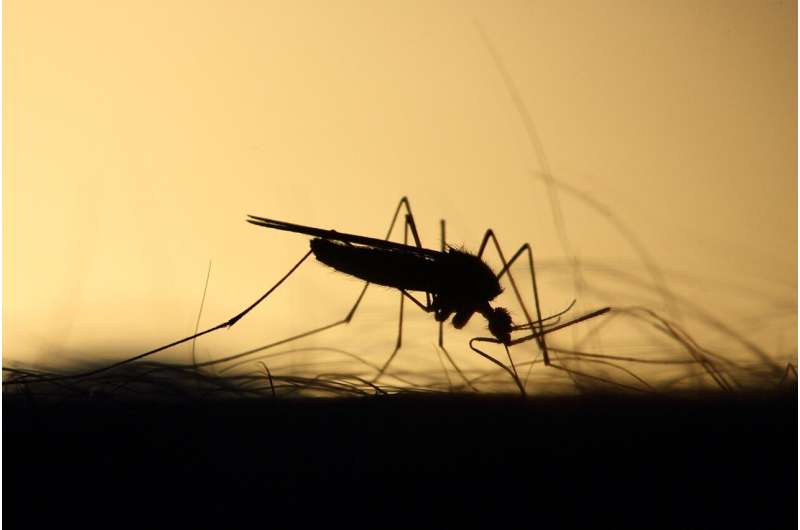
As the global population continues to age, new research highlights an emerging public health concern: the increasing threat of the West Nile virus (WNV) among older adults, particularly those with chronic diseases. A recent study published in JAMA Network Open demonstrates that older individuals with conditions such as chronic kidney disease (CKD) and cerebrovascular diseases face a significantly heightened risk of developing neuroinvasive disease following infection with WNV, which can lead to severe outcomes including paralysis or death.
Understanding the West Nile Virus
The West Nile virus, first identified in the United States in 1999, has since become endemic throughout the nation. It is responsible for approximately 80% of all mosquito-borne infections annually. While most infected individuals remain asymptomatic, a substantial subset develop West Nile fever, which is generally mild. However, about 1% of cases can escalate into neuroinvasive disease, characterized by serious complications and a fatality rate of approximately 10%.
Key Findings from the Study
The UCLA research team conducted a comprehensive analysis of data spanning from 2013 to 2024, encompassing over 2,000 individuals across 65 healthcare organizations. The study identified several critical risk factors associated with an increased likelihood of neuroinvasive disease:
| Risk Factor | Increased Risk |
|---|---|
| Age | 11% increase per 10-year increment |
| Chronic Kidney Disease | 21% higher risk |
| Cerebrovascular Disease | 22% higher risk |
| High Blood Pressure | 18% higher risk |
| Male Sex | 29% higher risk |
| Hematologic Malignancy | 38% higher risk |
| Immunosuppressive Medications | 43% higher risk |
| Alcohol-Related Disorders | 54% higher risk |
| Multiple Sclerosis | Over double the risk |
Implications for Mortality and Prevention
The consequences of neuroinvasive disease extend beyond immediate health concerns; this study also illustrates significant mortality risks. Findings indicate that:
- Neuroinvasive disease correlates with 2.5 times the risk of dying within 30 days.
- For every decade of aging, there is a 32% increased risk of mortality post-infection.
- Chronic kidney and cerebrovascular diseases each contribute to about double the risk of death after becoming infected.
Dr. Seth Judson, the lead researcher, emphasizes the importance of recognizing these risk factors to enhance preventive measures for vulnerable groups. As the aging population continues to grow in the U.S., there is an urgent need to protect these individuals from the threats posed by the West Nile virus.
Future Directions and Research Needs
Despite the significant findings, the study acknowledged certain limitations, including reliance on ICD-10 medical diagnostic codes, which may not fully encompass a patient's conditions due to potential errors and ambiguity. Therefore, further mechanistic and causal inference studies are essential to:
- Clarify the exact relationships between identified risk factors and neuroinvasive disease.
- Explore potential targeted interventions for high-risk populations.
- Evaluate the development and distribution of vaccines, should they become available in the future.
“Our findings reveal groups that could be at particularly high risk for severe West Nile disease, and these populations could benefit from targeted preventative measures and future vaccines, if they become available.” – Dr. Seth Judson
Conclusion
This study underscores an urgent public health challenge, especially as rates of chronic disease and immunosuppression escalate among the aging population. Preventative strategies, including increased public awareness and tailored healthcare approaches, will be vital in mitigating the risks associated with the West Nile virus.
References
[1] Judson, S., et al. (2025). Risk factors for West Nile neuroinvasive disease and mortality in the United States, 2013-2024. _JAMA Network Open_. Access here.
Credit: Pixabay/CC0 Public Domain
For more updates on infectious diseases and aging populations, please follow the latest news on Science X.









Discussion