

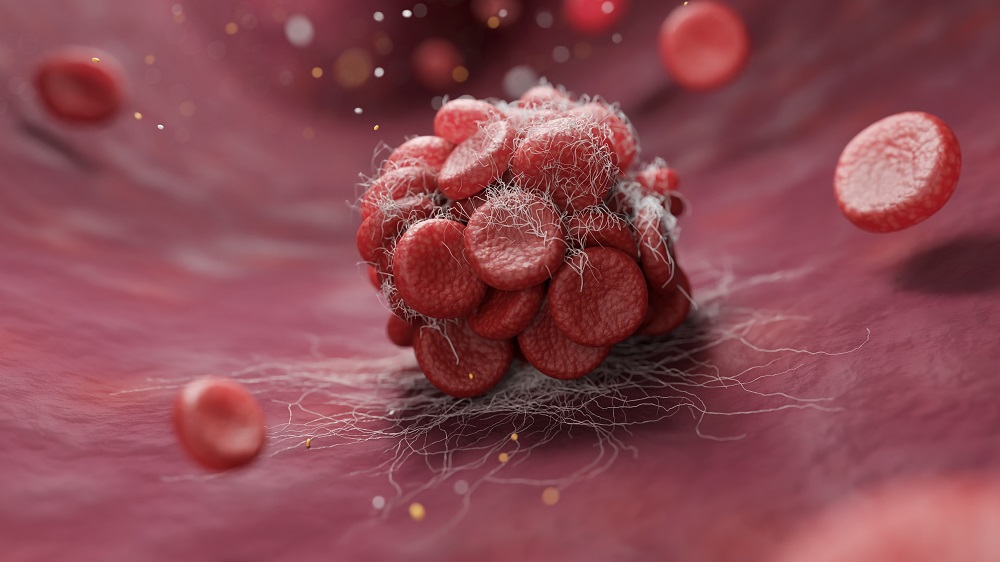
A recent article published in Aging Cell delves into the intriguing relationship between aging and increased clot formation, positing that aged cells may contribute to the creation of more reactive platelets. Understanding this process is crucial, as blood clotting anomalies pose severe health risks, particularly for the elderly. This article summarizes key findings regarding the mechanisms of platelet formation and their implications for age-related thrombosis.
Aging and Platelet Formation
As individuals age, their bodies undergo numerous physiological changes, including alterations in hematopoiesis (the process of blood cell formation). Notably, older mice have shown an increase in platelet-forming cells through a non-canonical pathway. Researchers have identified significant differences in the reactivity and survival rates of platelets generated via these two distinct pathways—canonical and non-canonical.
Canonical vs. Non-Canonical Pathways
In the canonical pathway, hematopoietic stem cells (HSCs) follow a traditional route that includes three intermediate cell types before developing into megakaryocyte progenitors (MkPs) that eventually release platelets. This pathway has been well-documented in prior studies [3]. Conversely, the non-canonical pathway allows HSCs to directly transform into MkPs, bypassing intermediate stages. As outlined in previous research, the platelets produced from non-canonical MkPs (ncMkPs) exhibit hyperactivity, exacerbating the risk of clotting disorders.
Identifying Key Biomarkers
To enhance the understanding of these cell types, researchers focused on identifying specific membrane-bound proteins that could act as biomarkers. Initial findings selected CD54 as a potential target; however, further analyses revealed that CD48 was more effective in distinguishing MkPs generated via the canonical pathway. In contrast, CD321 was identified as a robust predictor of ncMkPs.
| Biomarker | Associated Pathway | Significance |
|---|---|---|
| CD48 | Canonical | Higher likelihood of MkPs originating from this pathway |
| CD321 | Non-Canonical | Strong predictor of MkPs produced via the non-canonical pathway |
Increased Reactivity in Aged Cells
One remarkable finding from the study revealed that ncMkPs derived from older animals exhibit a superior capacity for in vitro survival compared to their canonical counterparts. These ncMkPs not only proliferate more effectively but also show a heightened resilience against apoptosis, thereby contributing to the increased platelet count observed in aging organisms.
Upon transplantation into younger animals, ncMkPs derived from older mice proliferated with greater vigor than younger ncMkPs, further affirming their active role in thrombosis-related risks.
Environmental Factors in Hematopoiesis
The study indicated that the aged microenvironment significantly influences HSC behavior. When HSCs from older mice were placed in a younger irradiated host, they generated similar proportions of MkPs, irrespective of their original age. This finding underlines the potential impact of environmental factors in thrombopoiesis (the formation of platelets).
However, it is essential to note that human hematopoiesis may not mirror mouse models, particularly since aging in humans is typically correlated with a decrease in platelet counts [5].
Implications for Future Research
With the identification of CD48 and CD321 as key biomarkers, future research must clarify whether these changes in cell fate significantly impact clot-related conditions in humans. Targeting these pathways may provide insights leading to novel therapeutic strategies to mitigate clotting complications in elderly populations.
In conclusion, this research calls attention to the complexities of platelet formation in aging and opens avenues for potential interventions aimed at reducing thrombotic risks associated with older age.
Literature Cited
[1] Le Blanc, J., & Lordkipanidzé, M. (2019). Platelet function in aging. Frontiers in cardiovascular medicine, 6, 109.
[2] Chung, S. S., & Park, C. Y. (2017). Aging, hematopoiesis, and the myelodysplastic syndromes. Blood Advances, 1(26), 2572-2578.
[3] Manso, B. A., Rodriguez y Baena, A., & Forsberg, E. C. (2024). From hematopoietic stem cells to platelets: Unifying differentiation pathways identified by lineage tracing mouse models. Cells, 13(8), 704.
[4] Poscablo, D. M., et al. (2024). An age-progressive platelet differentiation path from hematopoietic stem cells causes exacerbated thrombosis. Cell, 187(12), 3090-3107.
[5] Jones, C. I. (2016). Platelet function and ageing. Mammalian Genome, 27(7), 358-366.









Discussion